

Comprehensive Guide to be able to Hot Galvanized Steel Pipes: Applications, Developing, and Rewards
Introduction to Hot Zinc coated Steel Pipes
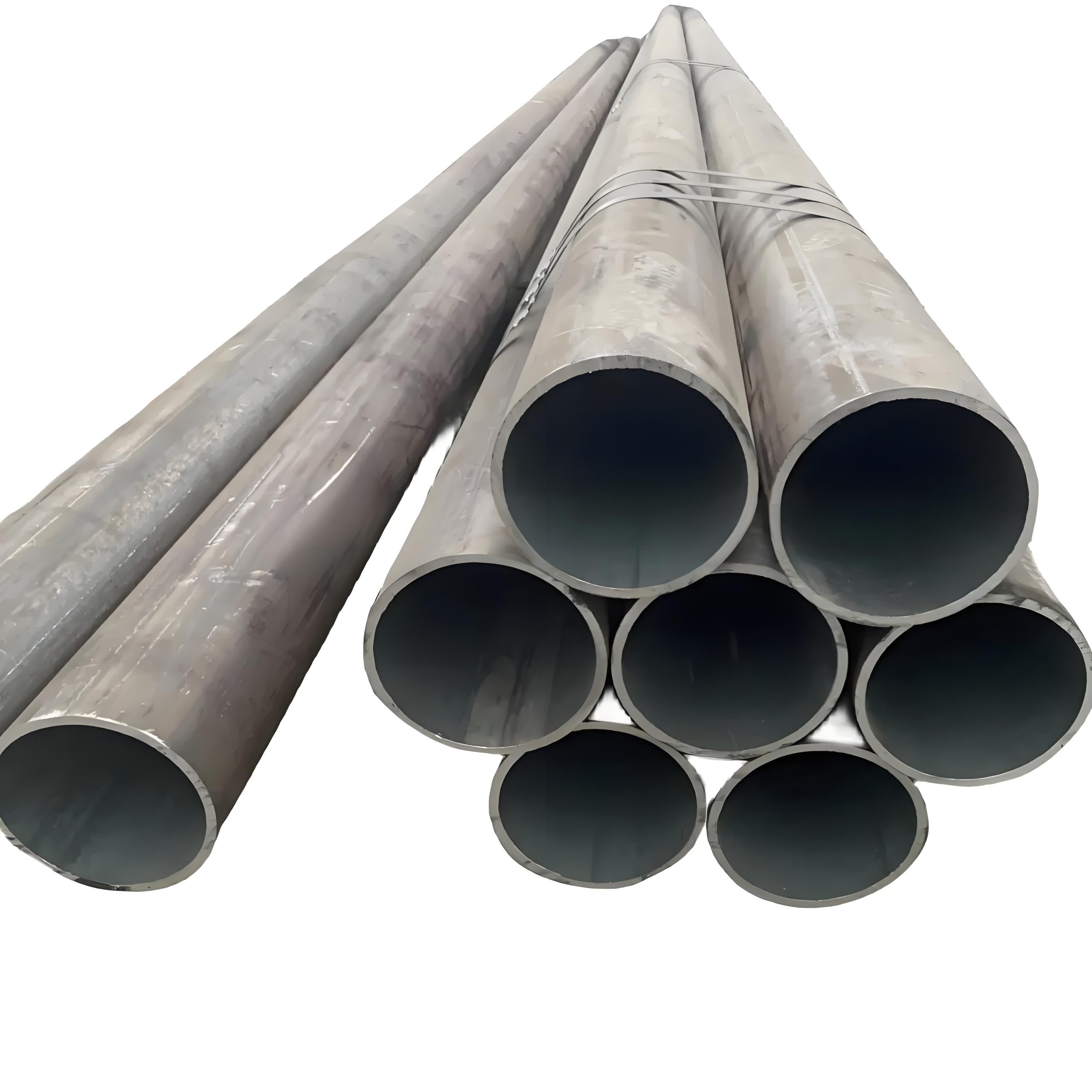
Very hot galvanized steel piping, categorized under zinc coated steel pipes, are widely used throughout industries and building because of the exceptional corrosion resistance and strength. These pipes, furthermore known as hot-dip galvanized pipes, undergo a procedure where a new protective zinc layer is used on steel to prevent as well as corrosion extend service lifestyle. They may be commonly known to as zinc coated steel pipes for industrial use or perhaps galvanized scaffolding water lines for construction, providing applications such since transporting low-pressure liquids, gases, and heat systems. Their sturdiness and cost-effectiveness create them a preferred choice in varied sectors, including plumbing related, construction, and structure development.
Hot galvanized steel pipes are usually available in a new range of measurements, with outer diameters (OD) from twenty one. 3mm to 406. 4mm, wall thicknesses (WT) from 0. 5mm to 20mm, and lengths starting from 0. 3m to 18m, including randomly length, fixed duration, single random duration (SRL), and twin random length (DRL). They comply with international standards these kinds of as GB/T 3091 (Q195/Q215/Q235/Q345 grades), BULL CRAP 1387, EN 39, EN 1139 (S235JR/S275JR), ASTM A53 (GR. A/B/C), and JIS G3444 (STK 400/STK 500). The zinc coating, typically starting from 120 to 500 g/m² (30µm to 70µm), offers robust protection against corrosion, particularly in environments exposed to moisture or moderate chemicals.
The area regarding these pipes is treated to ensure an uniform zinc layer, with comes to an end finished as bare or beveled plus burrs removed regarding seamless integration directly into piping systems. Sizzling galvanized steel piping are widely applied for low-pressure liquid transport, gas circulation, and heating apps, as well like structural roles within scaffolding and fence. It introduces the particular significance of sizzling galvanized steel plumbing, setting the phase for a detailed exploration of their own manufacturing, applications, advantages, and future styles on the market.
Word Count up: ~500 words
Developing Processes of Very hot Galvanized Steel Plumbing
Manufacturing hot zinc-coated steel pipes consists of a combination of steel water line manufacturing and hot-dip galvanizing to ensure durability and deterioration resistance. The procedure commences with the design of the base steel pipe, generally made from carbon stainlesss steel grades like Q195, Q215, Q235, or perhaps Q345, as particular in standards like GB/T 3091. These pipes can be seamless or welded, with welded piping often produced working with electric resistance welded (ERW) for expense efficiency. The plumbing are formed to meet specific size requirements, with outer diameters ranging by 21. 3mm to be able to 406. 4mm and wall thicknesses coming from 0. 5mm to be able to 20mm.
The galvanizing process is typically the defining step, wherever the steel pipe is submerged inside a bath of molten zinc at temperature ranges around 450°C. This hot-dip galvanizing approach ensures a solid, uniform zinc coating (120–500 g/m² or perhaps 30–70µm) that bonds metallurgically with the particular steel surface, supplying superior corrosion security. Before galvanizing, typically the pipes undergo area preparation, including cleanup, pickling, and fluxing, to get rid of impurities in addition to ensure proper zinc adhesion. After galvanizing, the pipes will be cooled, inspected, in addition to finished with basic or beveled comes to an end, with burrs removed to facilitate unit installation.
Quality control is important, with manufacturers sticking with standards like ASTM A53, BS 1387, and EN 39 to ensure dimensional accuracy, coating fullness, and mechanical properties. Non-destructive testing, such as ultrasonic or perhaps visual inspections, confirms the integrity of the zinc layer and pipe framework. The resulting pipes are robust, corrosion resistant, and suitable regarding low-pressure applications love water supply, gas distribution, and heating systems. For construction, galvanized scaffolding water lines (e. g., SOBRE 1139 S235JR/S275JR) are produced with heavier walls to help structural loads. The particular hot-dip galvanizing process, along with precise manufacturing, ensures these plumbing meet the demands regarding both industrial and even construction applications.
Typically the versatility of very hot galvanized steel plumbing is based on their capacity to be created in various lengths (0. 3m in order to 18m) and designs, such as fixed or random measures, catering to diverse project needs. Their particular protective zinc layer aligns with standards like AWWA C203 for extra corrosion level of resistance in specific programs, which is why they are concidered suitable with regard to environments encountered with dampness or mild corrosives. This manufacturing method ensures hot zinc coated steel pipes will be both durable and even cost-effective, meeting the needs of modern facilities.
Word Count: ~500 words and phrases
Applications associated with Hot Galvanized Metal Pipes
Hot zinc-coated steel pipes are generally widely utilized around industries due to their rust resistance, affordability, plus versatility. Their primary application is moving low-pressure liquids, these kinds of as water found in plumbing systems, water sources networks, and fireplace sprinkler systems. The particular zinc coating (120–500 g/m²) protects against rust, making these types of pipes ideal for water distribution in residential, commercial, in addition to municipal settings. Standards like ASTM A53 (GR. A/B/C) make sure they meet the requirements for safe and sound and reliable smooth transport, while linings like cement-mortar linings (AWWA C205) could be applied regarding enhanced durability throughout wastewater systems.
Found in the gas submission sector, hot galvanized steel pipes are usually used to transfer gas or additional low-pressure gases, particularly in urban system and industrial amenities. Their robust design and corrosion-resistant zinc layer ensure security and longevity in gas pipelines, reducing the risk associated with leaks or degradation. Grades like Q235 and Q345, since specified in GB/T 3091, provide typically the necessary strength regarding these applications, when compliance with ANAS G3444 (STK 400/STK 500) ensures compatibility with global standards.
In construction, zinc-coated scaffolding pipes really are a cornerstone of temporary and permanent buildings. Conforming to specifications like EN 39 and EN 1139 (S235JR/S275JR), these plumbing are used inside of scaffolding systems, fencing, and structural frames because of the strength and even resistance from environmental corrode. Their ability to be able to withstand outdoor conditions, such as weather or humidity, makes them ideal for design sites, bridges, in addition to pedestrian walkways. Furthermore, these pipes are generally used in heat systems, like HEATING AND COOLING pipelines, where their heat resistance and even durability ensure efficient performance.
The broad variety of sizes (OD: 21. 3mm–406. 4mm, WT: 0. 5mm–20mm) plus lengths (0. 3m–18m) allows hot galvanized steel pipes to become customized for specific projects, from modest plumbing to large-scale infrastructure. Their basic or beveled ends, with burrs removed, facilitate easy set up and integration using fittings like hand, tees, or couplings. These applications underscore the critical position of hot zinc coated steel pipes in supporting safe, useful, and sturdy systems throughout industries.
Word Count number: ~500 words
Benefits of Hot Galvanized Steel Plumbing
Warm galvanized steel pipes offer numerous positive aspects that make all of them a preferred choice for low-pressure liquid transport and strength applications. The the majority of significant benefit will be their exceptional corrosion resistance, provided by the hot-dip zinc finish (30–70µm). This protective layer forms a new barrier against moisture, oxygen, and slight chemicals, significantly advancing the pipe’s lifespan in environments like water supply, petrol distribution, or patio construction. The metallurgical bond between typically the zinc and steel ensures the covering remains intact even under mechanical anxiety, unlike painted or coated alternatives.
An additional key advantage is cost-effectiveness. Compared in order to stainless steel or seamless pipes, sizzling galvanized steel plumbing are more affordable while still giving robust performance for low-pressure applications. Grades like Q195, Q215, and Q235 (GB/T 3091) provide adequate strength for almost all industrial and design needs, even though the galvanizing process adds strength without significantly raising costs. This makes them an economical alternative for large-scale tasks like municipal normal water systems, scaffolding, or gas pipelines.
The versatility of warm galvanized steel plumbing is another key benefit. Available inside a wide range of sizes (OD: 21. 3mm–406. 4mm, WT: 0. 5mm–20mm) and lengths (0. 3m–18m), they can be customized to meet different project requirements. Their very own compliance with standards like BS 1387, ASTM A53, and even JIS G3444 ensures compatibility with worldwide piping systems, when plain or beveled ends simplify installation with fittings want reducers or golf tees. link more The pipes’ capability to handle low-pressure beverages, gases, and heat applications makes them well suited for both professional and residential make use of.
Durability and relieve of maintenance are really additional advantages. The zinc coating protects against environmental components, reducing the require for frequent fixes or replacements. In construction, galvanized scaffolding pipes (EN 39) withstand harsh weather condition conditions, ensuring basic safety and reliability. Intended for fluid transport, the graceful internal surface reduces friction and crud buildup, improving stream efficiency. These benefits collectively make sizzling galvanized steel pipes a reliable, most affordable, and flexible solution regarding modern infrastructure in addition to industrial applications.
Term Count: ~500 words and phrases
Future Trends in addition to Innovations in Hot Galvanized Steel Pipes
The future of hot zinc coated steel pipes is shaped by breakthroughs in materials, developing, and sustainability, powered by growing requirement in infrastructure, power, and construction groups. One key trend is the development regarding enhanced galvanizing approaches to improve rust resistance. Innovations want zinc-aluminum alloy linings or hybrid coatings are being discovered to offer superior defense compared to traditional zinc coatings, particularly in aggressive environments such as marine or business settings. These improvements align with standards like AWWA C203, which emphasizes durable anti-corrosion solutions.
Durability is actually a major focus, with manufacturers progressively using recycled steel alloy to produce galvanized plumbing, reducing environmental impact. Energy-efficient galvanizing techniques, for example low-temperature zinc baths or computerized coating systems, are being adopted to lower carbon emissions. These eco-friendly procedures align with worldwide sustainability goals, producing hot galvanized steel pipes more attractive for green construction projects, such as energy-efficient buildings or even renewable energy infrastructure.
Technological advancements will also be transforming production. Automatic manufacturing systems, including robotic welding and real-time coating density monitoring, improve accurate and quality management. Compliance with specifications like ASTM A53 and EN 1139 ensures that these pipes meet the rigorous needs of modern applications. Additionally, the mixing of electronic digital tools like Creating Information Modeling (BIM) is increasing the particular use of galvanized pipes in flip construction, where their own ease of set up and durability help rapid project duration bound timelines.
The global require for hot galvanized steel pipes is expected to surge, driven by urbanization and infrastructure enhancement in emerging financial systems. Applications in water supply, gas distribution, in addition to scaffolding will carry on and grow, particularly in regions like Parts of asia and Africa. Innovative developments in lightweight, high-strength steel grades (e. g., Q345) are really enabling the creation of thinner-walled piping without compromising strength, reducing material charges and environmental influence. As industries prioritize sustainability, efficiency, and even performance, hot galvanized steel pipes will stay a cornerstone of modern piping and construction systems.
Word Count up: ~500 words
Summary
Hot galvanized stainlesss steel pipes are essential for low-pressure fluid transport, gas circulation, heating systems, and even construction applications like scaffolding. Their zinc coating (120–500 g/m²) provides excellent deterioration resistance, ensuring strength in environments subjected to moisture or mild corrosives. Manufactured to standards want GB/T 3091, ASTM A53, and SOBRE 39, these pipes offer versatility in sizes (21. 3mm–406. 4mm OD, 0. 5mm–20mm WT) plus lengths (0. 3m–18m), making them suitable for diverse projects. Their advantages, including cost effectiveness, durability, and ease of installation, make them a preferred choice throughout industries.